





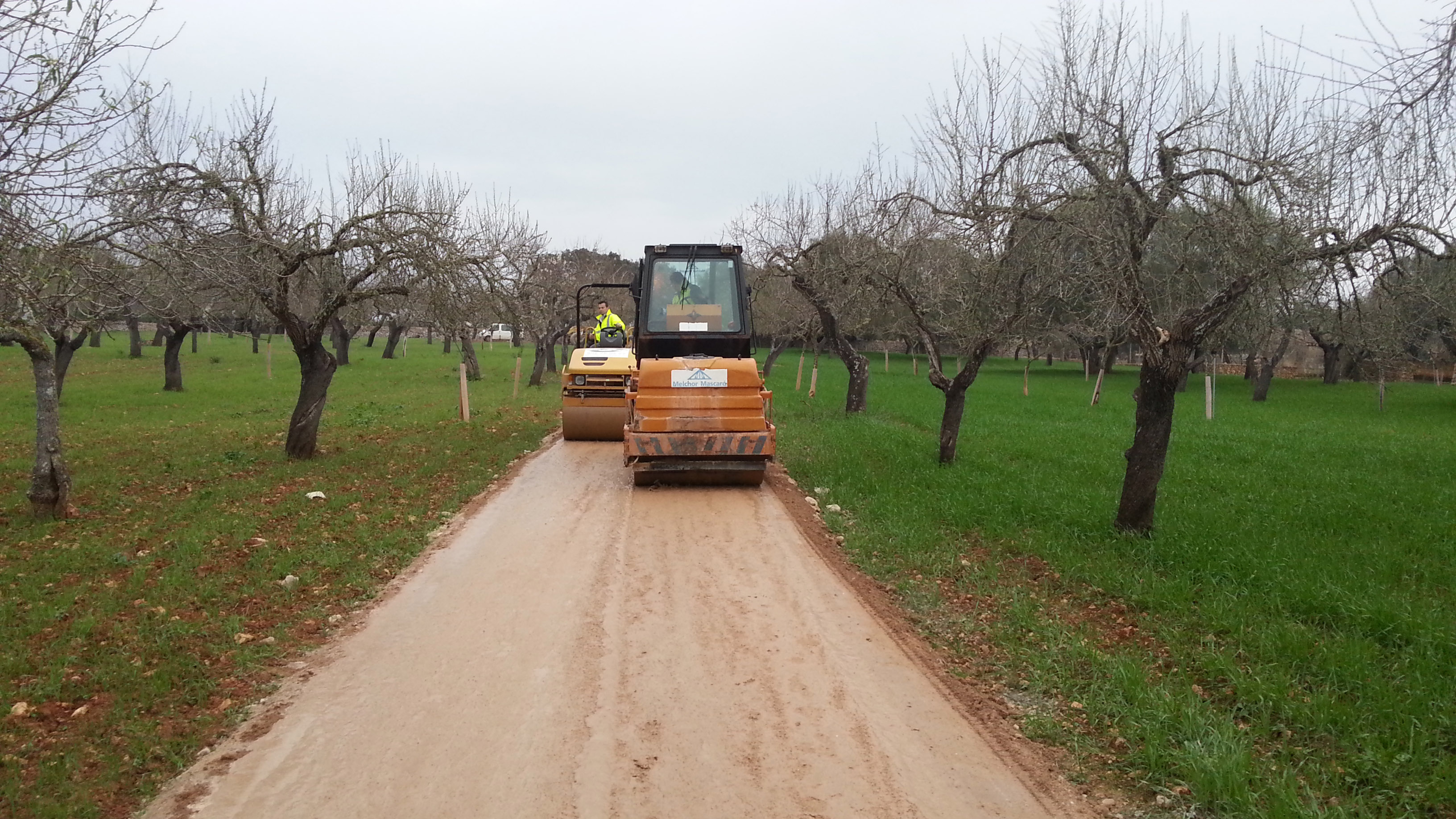

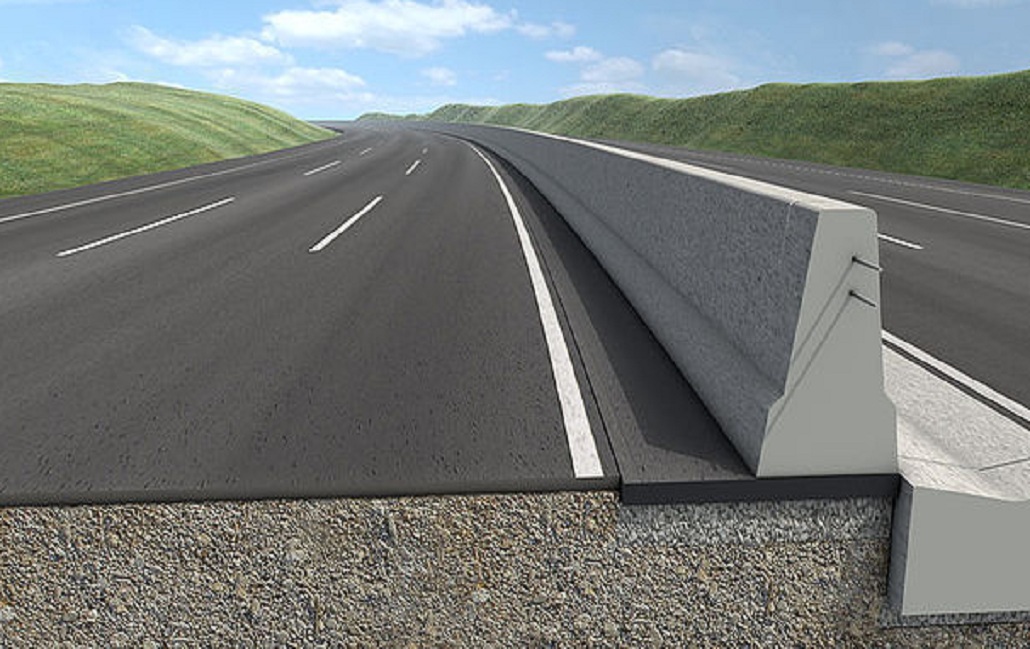
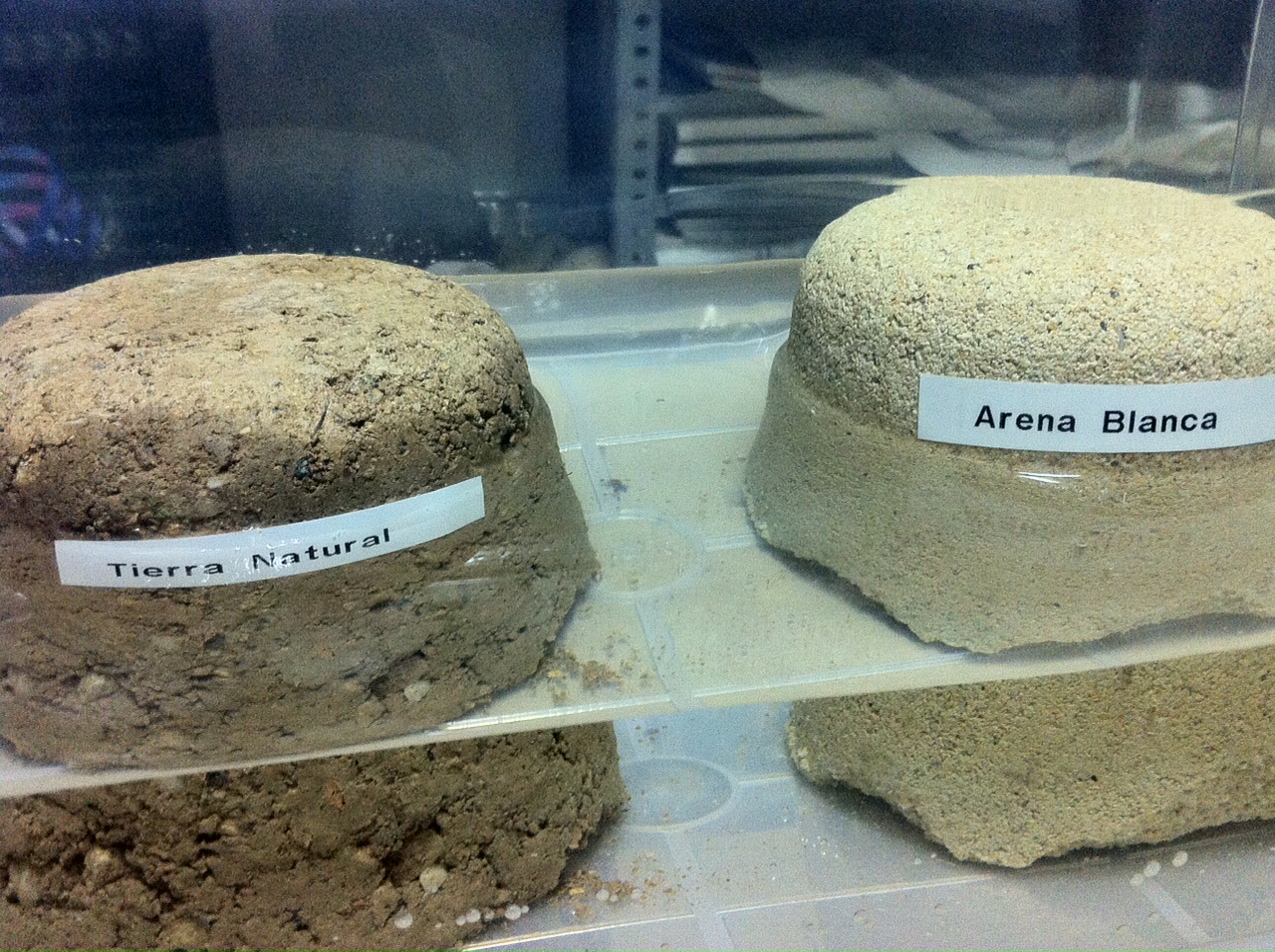
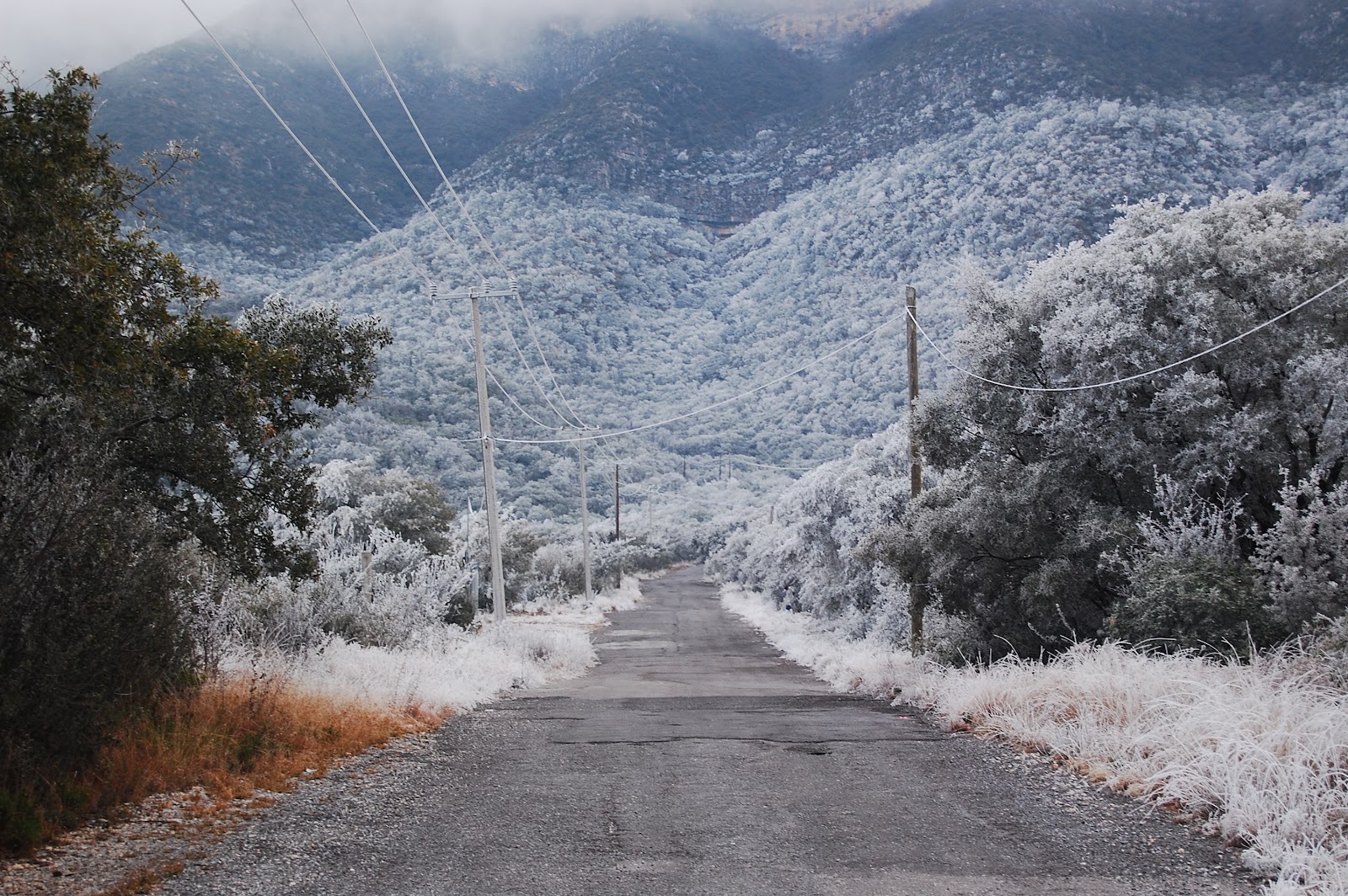
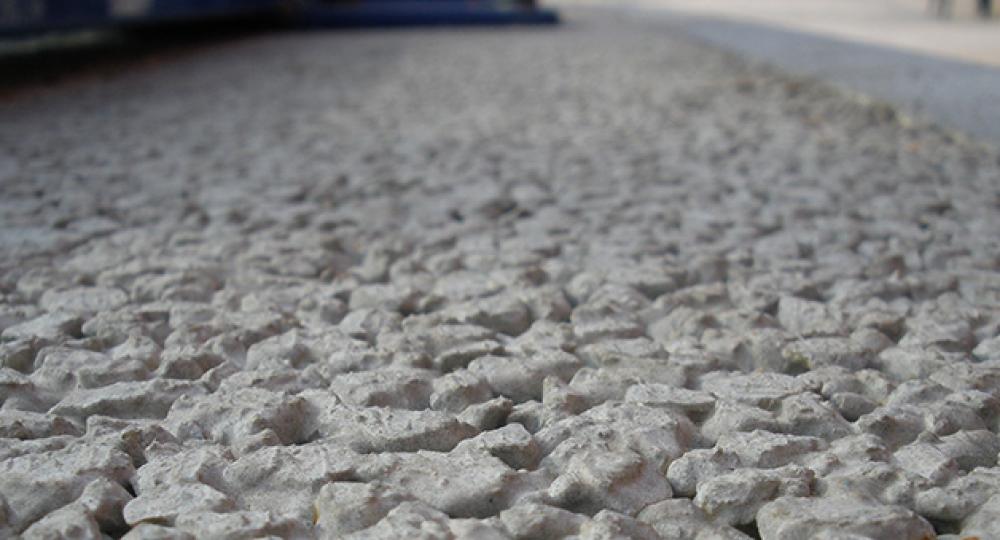
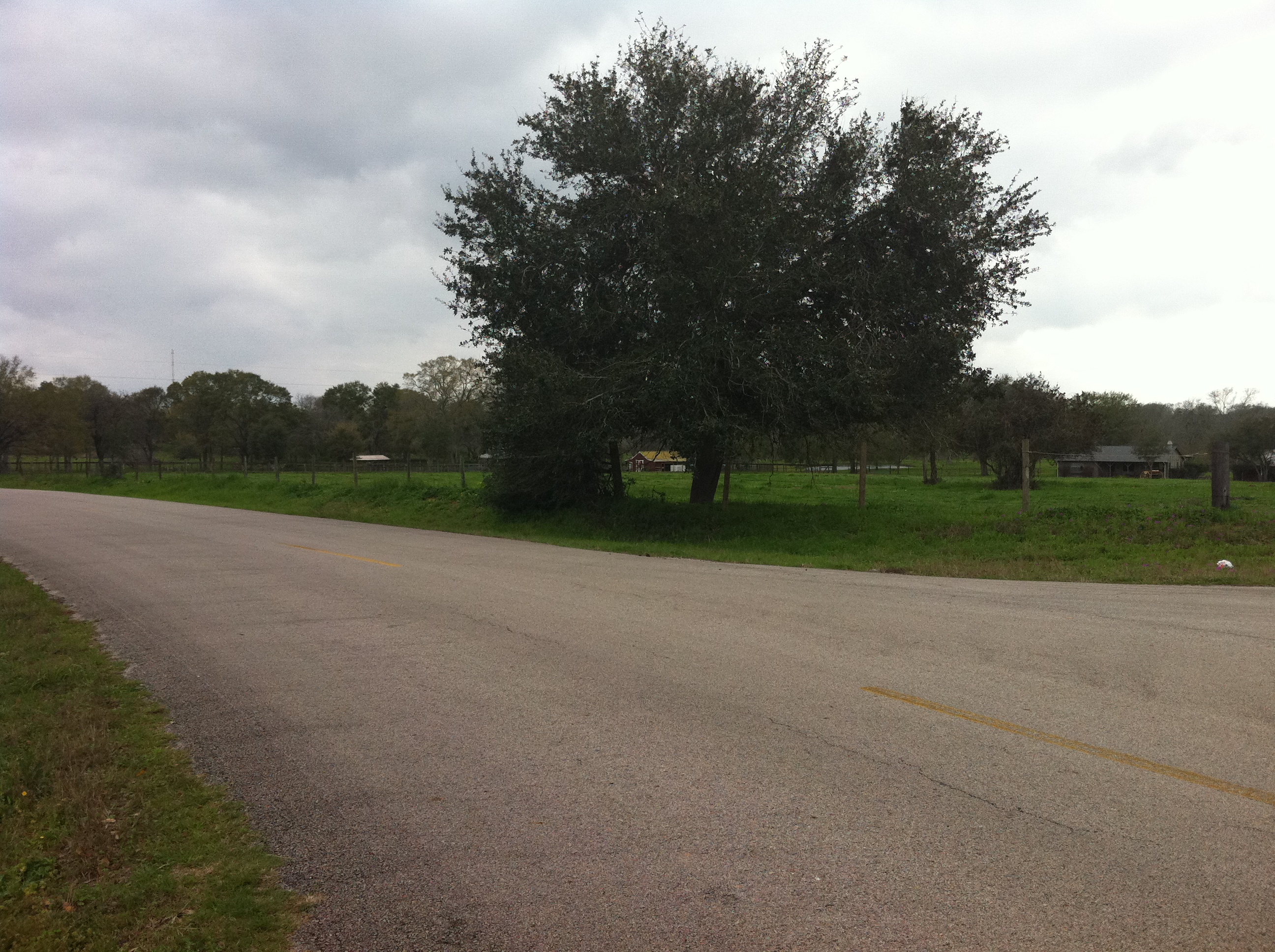


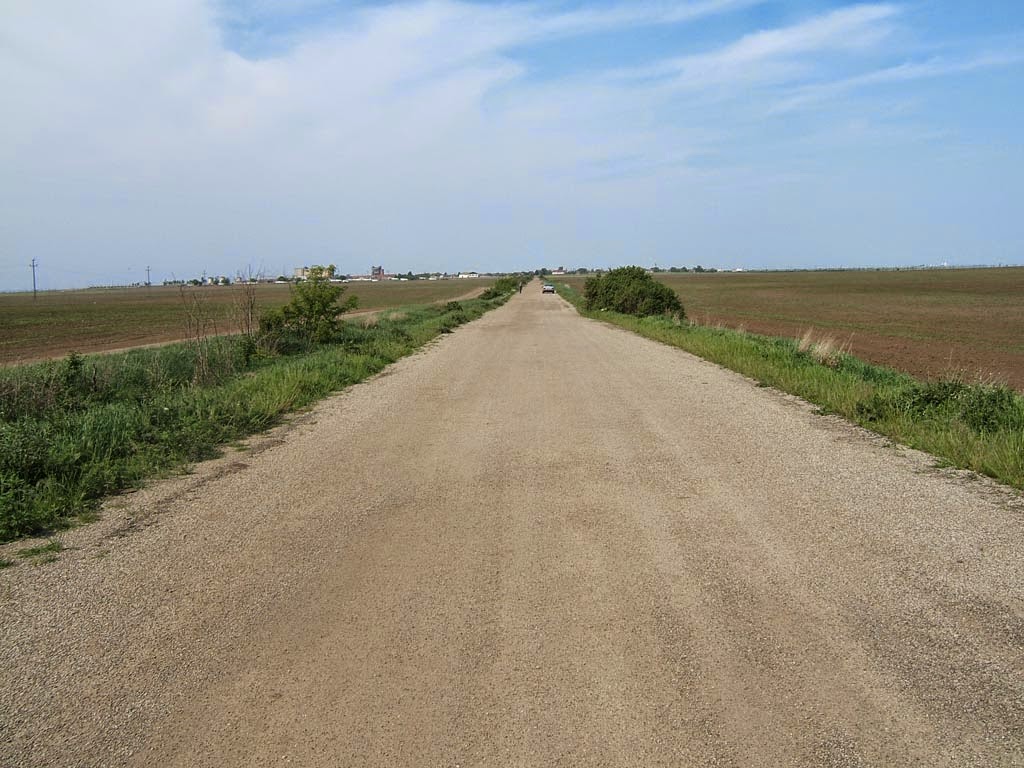

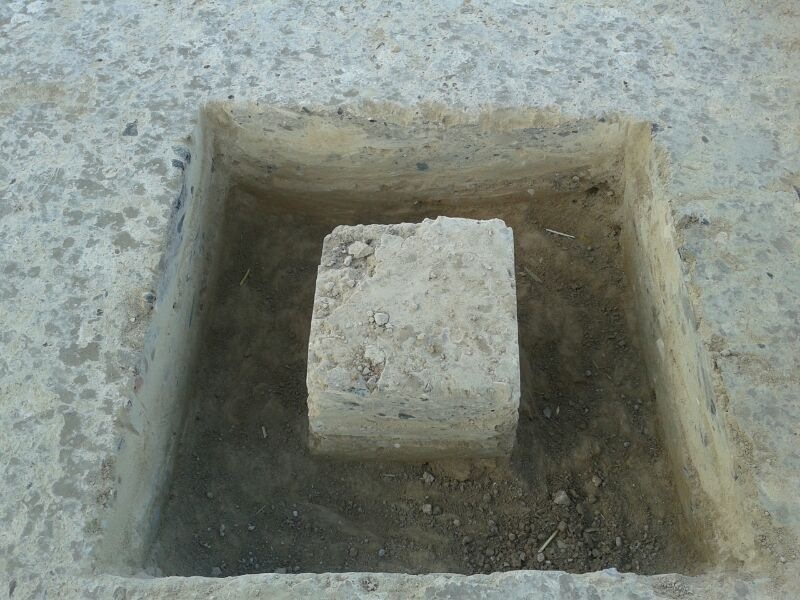


We refer to a stabilization of soil to the sequence of actions by which natural surfaces subjected to manipulation or treatment so that we can leverage their best mechanical properties, giving both a strong stable, able to withstand the effects of transit, the most adverse weather conditions and to stay with the offerings along the longest time possible.
It is said of a stabilization of the soil is the correction of one or more deficiencies required for use in concrete, and provides greater resistance to ground, either by reducing its plasticity, increase its carrying capacity and eliminate variability versus effects external or due to their own use.
The three ways to achieve this are:
• Stabilization by contributions of physical materials:
This system is used to improve soil physical changes occurring in the structural ratio or grain size, other elements incorporated therein. There are several methods such as:
• Improvements through mixtures of different types of soils: stabilization such land is broad general use, but only with this addition does not produce the desired results with a simple mixture of different types of soils effects. It always needs at least supplement compaction. Their effects are not extended in time if it simply leads to the maximum compaction by irrigation with water. The contribution of the copolymers is crucial to its durability over time.
A clear example is fine coarse soils like gravel-sand. This land has high internal friction particle which makes great efforts to withstand compression level, but this quality does not make it stable by itself as to be the surface finish of a road and having no cohesion its particles move freely and with the passage of vehicles can be separated and even off the road.
The field with the highest proportion of clays, by contrast, have a great cohesion but very little friction which causes them to lose stability when the humidity and changes in volume.